HTTP Security Headers and SEO: Protecting Crawlers and Users


Website security is fundamentally intertwined with search engine optimization. Google Search Central documentation on Page Experience highlights HTTPS as an official page experience signal. Furthermore, search engines prioritize user safety: if a website serves malware, displays mixed-content warnings, or suffers from clickjacking vulnerabilities, Googlebot flags the property and displays deterrent warning interstitials to prospective visitors.
When a user or search crawler connects to an origin server, the connection begins with a TLS handshake followed by HTTP header negotiation. Security headers instruct the client or bot on how to handle content execution, caching boundaries, and frame embedding.
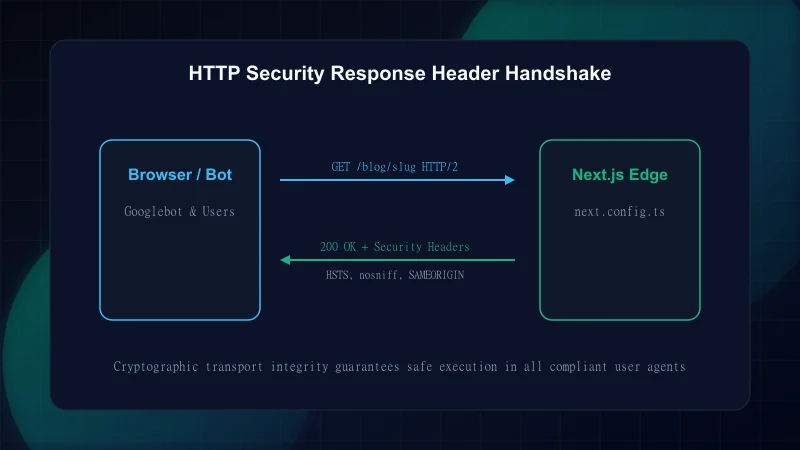
If your server returns plaintext HTTP responses before redirecting, bots spend crawl budget navigating avoidable 301/302 hops. By declaring HTTP Strict Transport Security (HSTS) with the preload directive, you instruct user agents to rewrite all requests to https:// internally before issuing network requests. For complete pre-flight guidelines, check our Technical SEO Pre-Launch Checklist.
According to the OWASP Secure Headers Project and MDN HTTP Security Headers specifications, web applications should declare five core security headers across all HTML response payloads:

| Header Name | Recommended Production Value | Defensive Purpose | SEO & Crawler Impact |
|---|---|---|---|
| Strict-Transport-Security | max-age=63072000; includeSubDomains; preload | Enforces HTTPS connections exclusively | Eliminates insecure redirect latency for bots |
| X-Content-Type-Options | nosniff | Prevents MIME-type sniffing attacks | Ensures crawlers parse scripts and stylesheets correctly |
| X-Frame-Options | DENY (or SAMEORIGIN) | Prevents clickjacking via iframes | Defends domain reputation and brand equity |
| Referrer-Policy | strict-origin-when-cross-origin | Controls referrer data transmission | Preserves organic search attribution in analytics |
| Permissions-Policy | camera=(), microphone=(), geolocation=() | Restricts hardware sensor APIs | Reduces attack surface without impacting SEO |
In Next.js, HTTP security headers should be configured centrally inside next.config.ts or edge middleware. This ensures every route, asset, and dynamic response emits consistent cryptographic boundaries without runtime overhead.
import type { NextConfig } from 'next';

const securityHeaders = [
  {
    key: 'Strict-Transport-Security',
    value: 'max-age=63072000; includeSubDomains; preload',
  },
  {
    key: 'X-Content-Type-Options',
    value: 'nosniff',
  },
  {
    key: 'X-Frame-Options',
    value: 'DENY',
  },
  {
    key: 'Referrer-Policy',
    value: 'strict-origin-when-cross-origin',
  },
  {
    key: 'Permissions-Policy',
    value: 'camera=(), microphone=(), geolocation=()',
  },
];

const nextConfig: NextConfig = {
  async headers() {
    return [
      {
        source: '/:path*',
        headers: securityHeaders,
      },
    ];
  },
};

export default nextConfig;A Content Security Policy (CSP) restricts the resources (scripts, styles, images) the browser is allowed to load. When configuring a strict CSP, teams often inadvertently block external font endpoints, Google Search Console site verification tokens, or structured data parsers.
Always test CSP in Content-Security-Policy-Report-Only mode first. Ensure your directives explicitly permit your CDN domain, Googlebot verification resources, and inline JSON-LD scripts as outlined in our Schema markup implementation guide.
- Enforce HTTPS across all subdomains with automated certificate renewal.
- Add HSTS with
max-age=63072000(2 years) and submit to the HSTS preload list. - Set
nosniffto avoid MIME sniffing errors during search indexing. - Adopt
strict-origin-when-cross-originto ensure clean search referrer analytics. - Audit page speed alongside security using our Next.js Core Web Vitals guide.
- Perform a full security header validation on ScanWise.
Security standards and specifications cited in this guide: - Google Search Central — Page Experience and HTTPS - MDN Web Docs — HTTP Security Headers Reference - OWASP Foundation — Secure Headers Project - HSTS Preload List Submission Portal
Frequently Asked Questions
Does having HTTP security headers directly boost search rankings?
No. While HTTPS is a confirmed lightweight page experience signal, headers like CSP, HSTS, and X-Frame-Options do not provide direct algorithmic ranking points. Instead, they defend user safety, prevent browser mixed-content blocks, eliminate redirect hops for search crawlers, and protect organic referrer attribution.
What is HSTS Preloading?
HSTS Preloading is a service maintained by the Chrome team (and adopted by all major browsers) where your domain is hardcoded into the browser binary as HTTPS-only. This prevents users and bots from ever making an unencrypted plaintext HTTP request.
Why is Referrer-Policy important for SEO tracking?
If a site uses an insecure Referrer-Policy (or no-referrer), traffic passing to external partner sites or analytics providers strips the source domain. Using 'strict-origin-when-cross-origin' ensures that the domain origin is passed safely to HTTPS destinations.
Can an incorrect CSP break search crawler rendering?
Yes. If your CSP blocks essential stylesheets, Web Workers, or font files, Googlebot's Web Rendering Service will render a broken, unstyled page, potentially leading to mobile usability or layout shift penalties.
Engineering & Technical Audit Team
The ScanWise engineering and technical SEO team researches web performance, Core Web Vitals, crawl mechanics, and digital compliance.
Related Engineering Guides
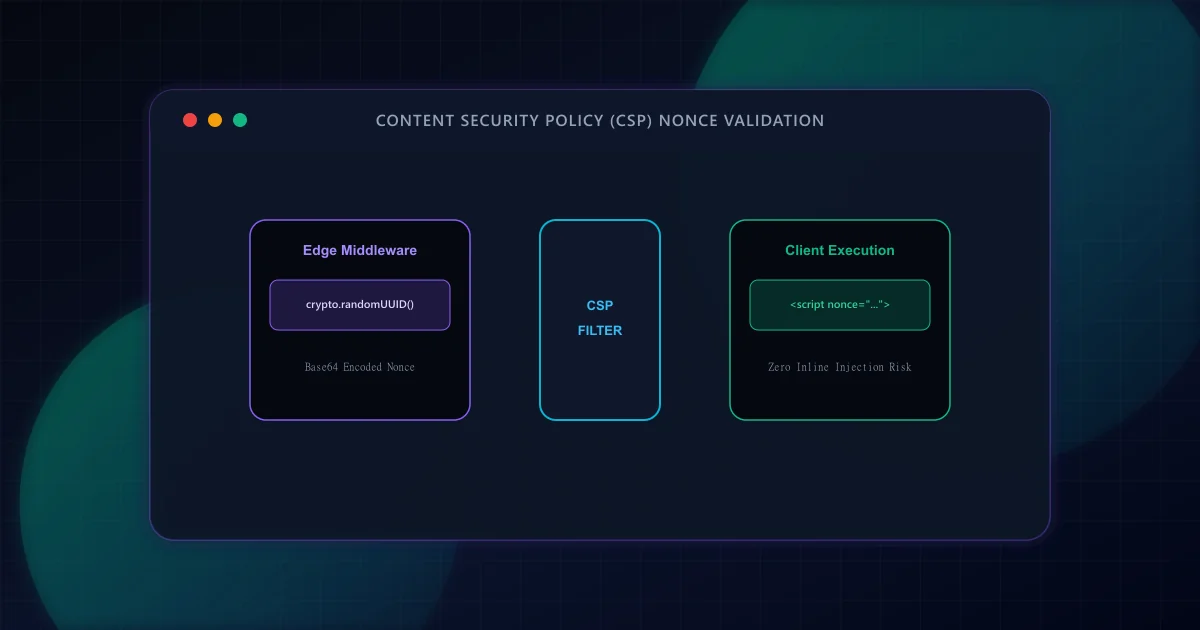
Content Security Policy (CSP) for Next.js App Router: Nonce & Script Management
Deploy strict Content Security Policy (CSP) nonces across Next.js Server Components and Edge middleware without breaking Googlebot crawling, analytics, or React hydration.
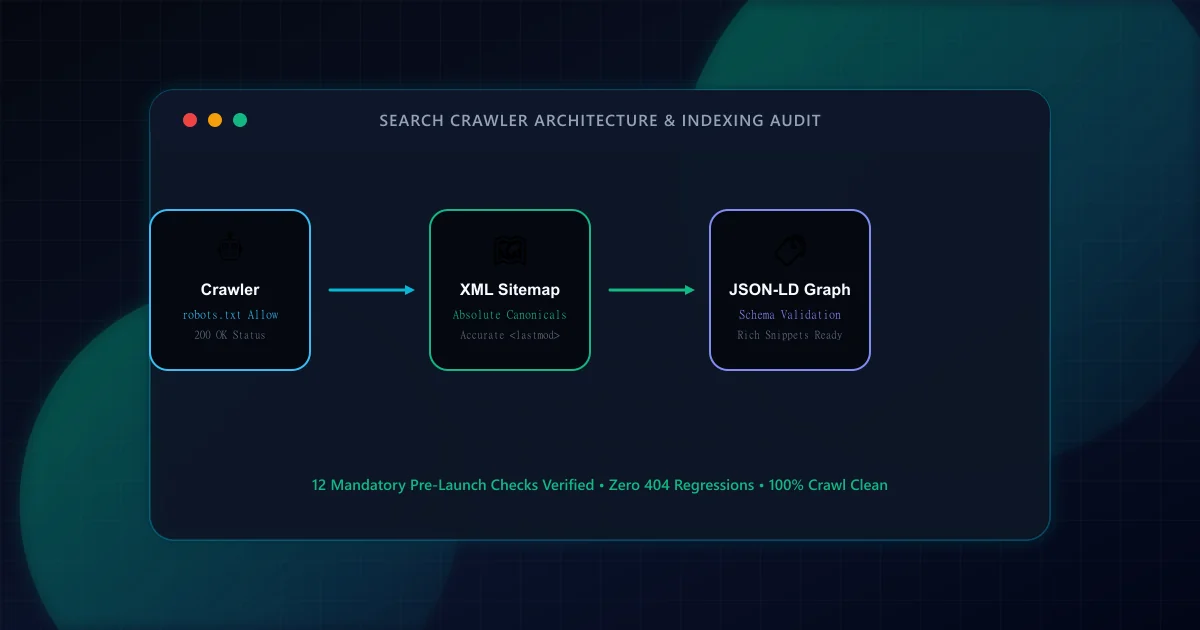
The Technical SEO Pre-Launch Checklist for Modern Web Applications
Prevent catastrophic indexation failures before shipping to production. A 20-point engineering checklist covering robots.txt rules, canonical loops, SSR parity, and sitemap hygiene.
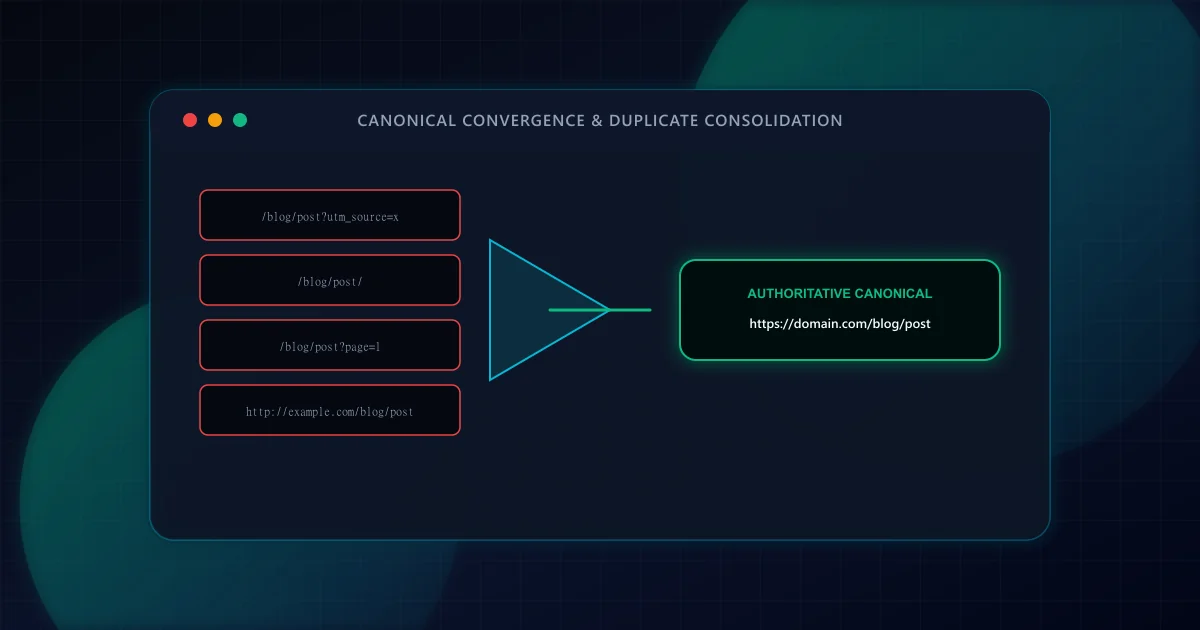
Canonical URL Strategy: Eliminating Duplicate Content in SSR & Dynamic Routes
Master canonicalization in Next.js App Router. Learn how to prevent duplicate content penalties from trailing slashes, tracking parameters, pagination, and multi-tenant subdomains.